
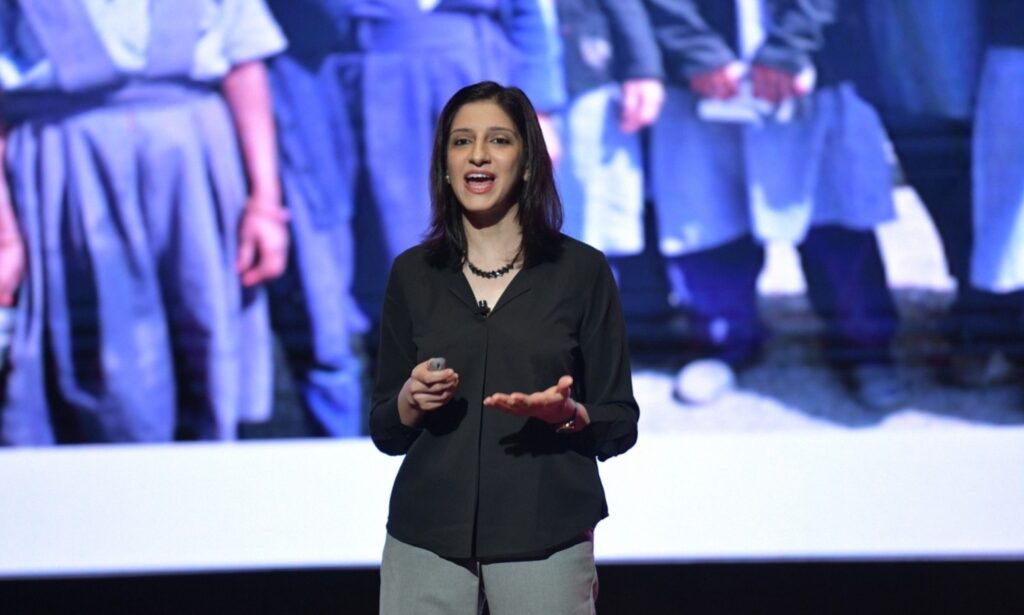
Stepping onto the TEDx stage wasn’t just about the red dot. It was about years of practice, growth, and the quiet courage to break my own boundaries. The official video is still awaited, but here’s a glimpse into my experience.
The TEDx tag attached to this whole affair made me a little apprehensive before my first TEDx talk. But more than anxious, I was curious—curious to see how it all comes together. How does a TEDx event work behind the scenes?
Right after my speaking slot was confirmed, I was put in touch with the vice principal and the student in charge of the event. The vice principal, staff members, student coordinators, and volunteers were all incredibly cooperative.
The aura, the hustle, and the meticulous way they adhere to their roots fascinated me. For example, there are a few rules regarding the content and the PPT slides you present. You can’t name any private organization, even if it’s your own, or mention any particular title you’ve won. In my case, they asked me to remove the names of the film festivals where the documentaries I had scripted won accolades. It was this exclusivity and weight surrounding TEDx that made me a little conscious about my presentation—and yet, it also made the experience feel special.
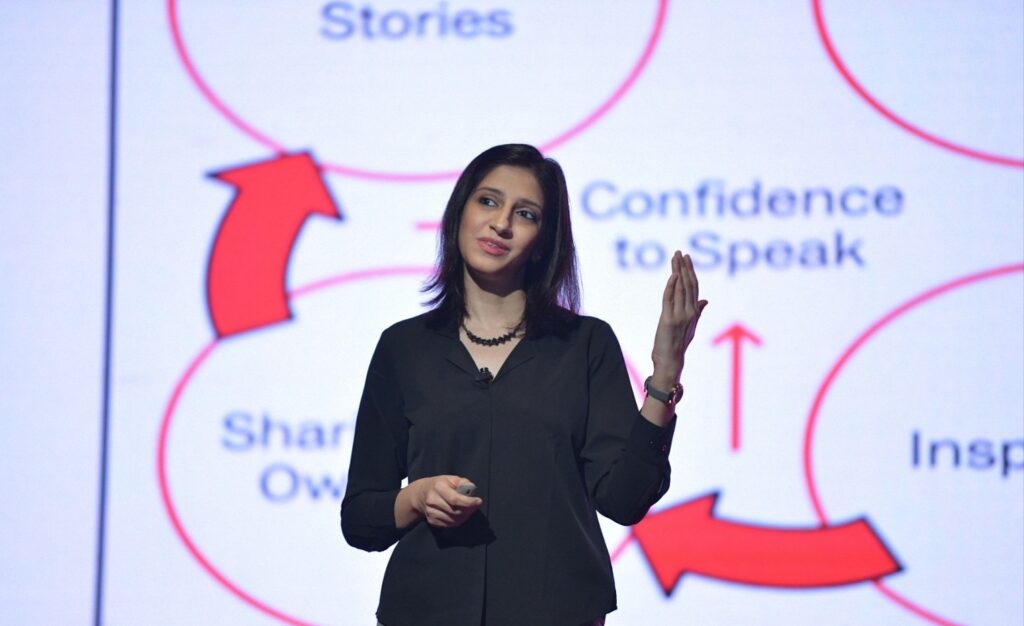
In many ways, though, the atmosphere felt familiar. For the past seven to eight years, I’ve been visiting institutes as a guest speaker, sharing my experiences in the media field or as an author. So stepping onto this stage to share my story wasn’t entirely new, but it carried a different kind of energy. Once everything was ready, I was completely at ease.
The day before the event, we had a practice session in the empty hall, complete with our PowerPoint slides on screen and the mic on stage. This eased not just my concerns, but also those of the other speakers. The best part, however, was meeting them—some truly charming and pleasing personalities, some dynamic individuals from diverse fields, including one working in AI psychology, which I found fascinating.
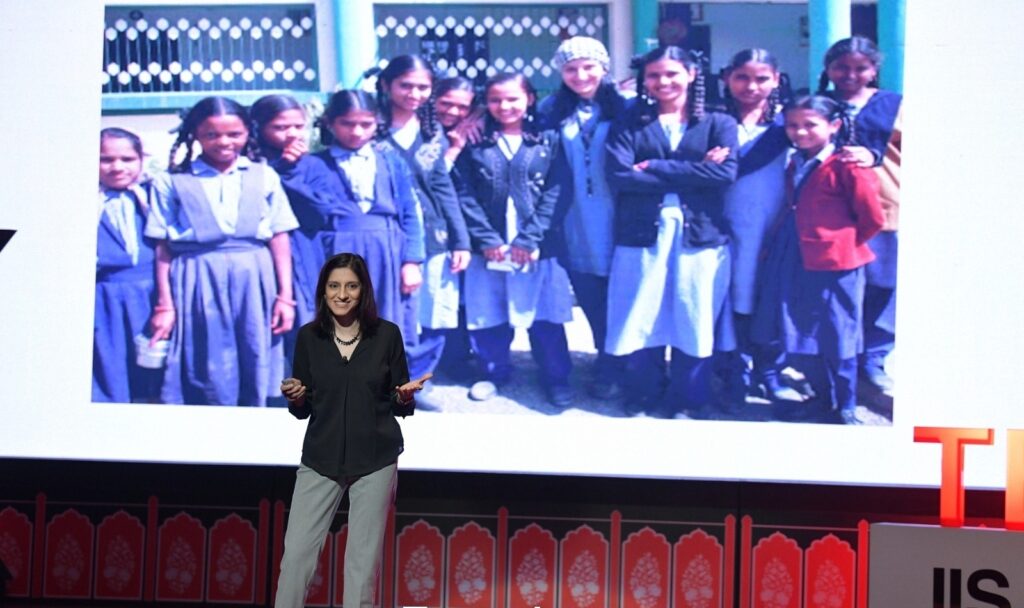
Over tea and snacks, we bonded, swapping stories and laughter. I also had the chance to interact with a few suave and intelligent faculty members who were proactive and confident.
When I climbed the stage for practice—and again during the actual event—I was reminded of something Geeta Ramanujam, a well-known storyteller from Bangalore, once said at the Toastmasters Eloquence District Conference: there’s a vast difference between stepping onto the stage for the first time and stepping onto it for the hundredth. That thought immediately grounded me. I realized that, over the years, I’ve stepped onto countless stages—be it at institutes, conferences, or club meetings—and each experience has honed my presence, timing, and composure. This wasn’t uncharted territory for me anymore; muscle memory had kicked in, and the stage felt less like an intimidating spotlight and more like a familiar workspace where I could truly connect with my audience. That mindset allowed me to step into my TEDx slot with a calm focus, letting the content flow naturally and my connection with the audience take center stage.
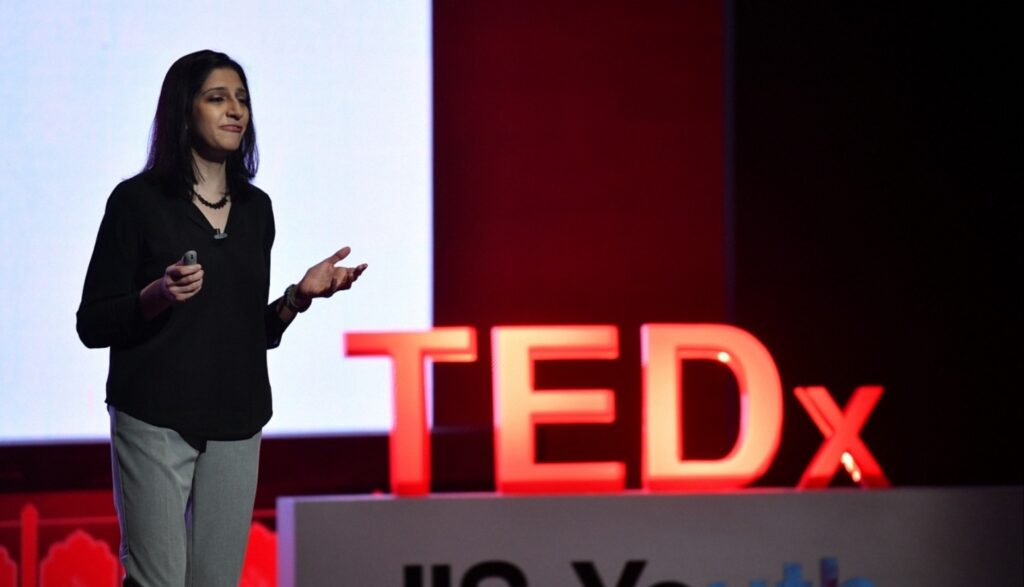
What I truly enjoyed most was writing and editing my speech. I love this part—tweaking it to match the rules and the theme of Breaking Boundaries, sitting with my mentors to refine it, and gathering invaluable tips from my coaches. I practiced the speech multiple times a day, timer in hand. I also decided on my attire early—a mix of formal and semi-formal, something that always works for me. I resisted buying anything new or expensive; for me, comfort is non-negotiable.
Practicing in front of my family, however, is a different story. I find it a little awkward and often end up laughing, but their feedback is gold. They know me well, not just as a person but as a speaker—what I’ll be comfortable saying and the words I’ll enjoy delivering. Both my husband and kids are great listeners and my most genuine well-wishers, so this “pilot testing” is something I can’t skip. It was my husband who suggested I define empathy in a way my audience would truly understand—an insight that added depth to my speech.
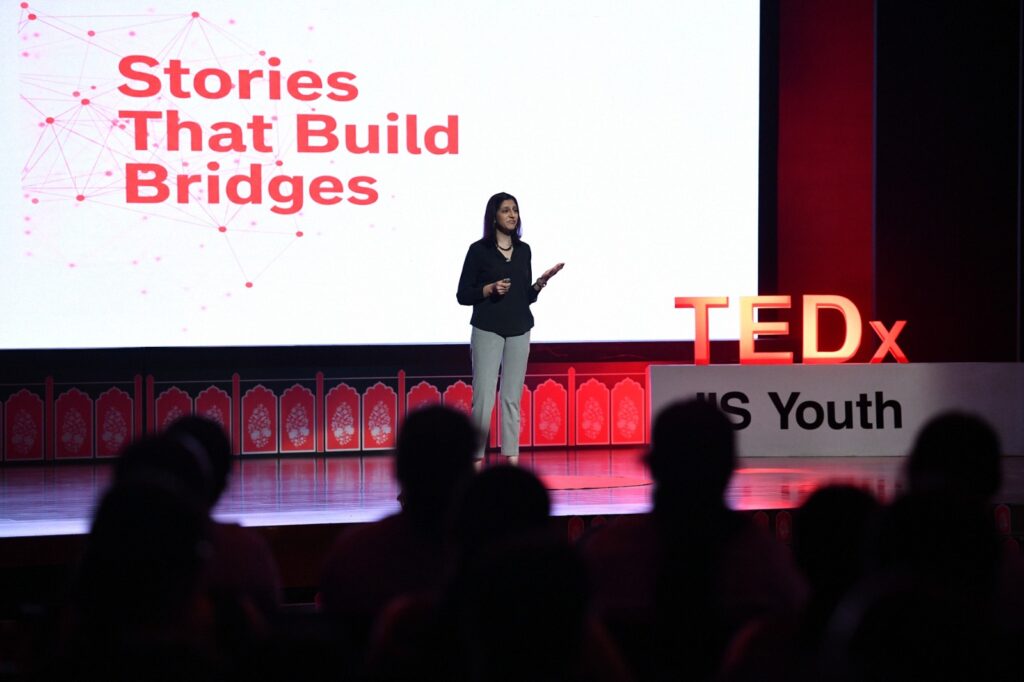
I slept well the night before, woke up on time, had a good breakfast, and reached the venue early. That calm, unhurried start set the tone for the day.
And now, the learnings.
Efforts in the right direction, aligned with your passion, will always suit you. Passion connects you with people who are equally driven and competent in their fields—and some of them may become great friends.
Remember—just as I did this time—your ultimate goal as a speaker is to connect directly with your audience and captivate them through both your content and delivery. That focus helped me overcome anxiety, stay grounded through repeated rehearsals, and rise above petty distractions.
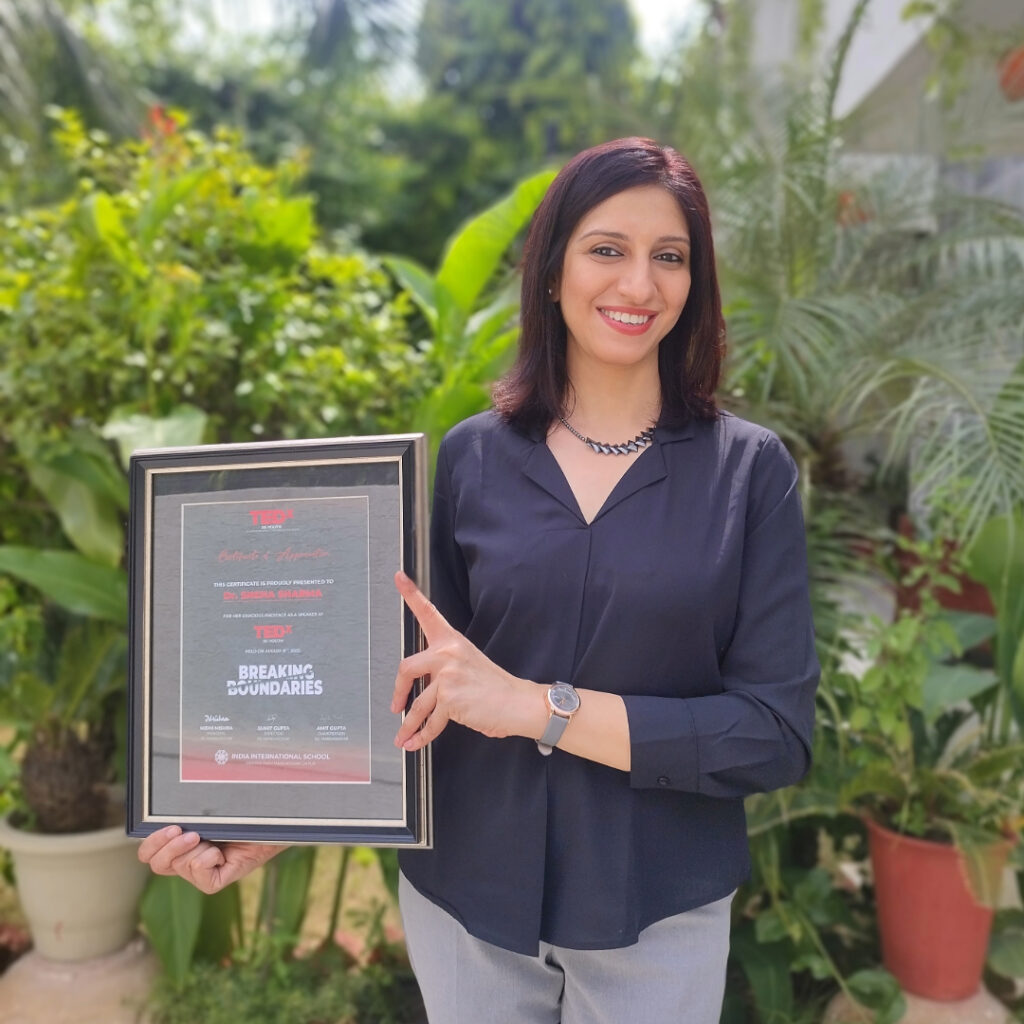
Another lesson: observe your audience. Even through the dim light, I could see students taking notes and smiling at just the right moments. That told me I was making sense to them.
And finally—seek feedback, but choose wisely. I invited my aunt and my son—both intent listeners and honest critics—to attend. Before I could even ask my aunt for her opinion, she told me how the vice principal had walked up to her, congratulated her, and praised my talk. Moments like that stay with you. But it’s important to remember—don’t seek feedback from everyone. Seek it from those you trust to be honest, constructive, and kind, even if they’re strangers you instinctively trust.
The TEDx stage wasn’t just about the famous red dot. It was about what unfolded before, during, and after—the preparation, the presence, the reflections that followed. And, above all, it was about breaking my own boundaries in how I speak, how I carry my confidence, and how I connect with those listening.
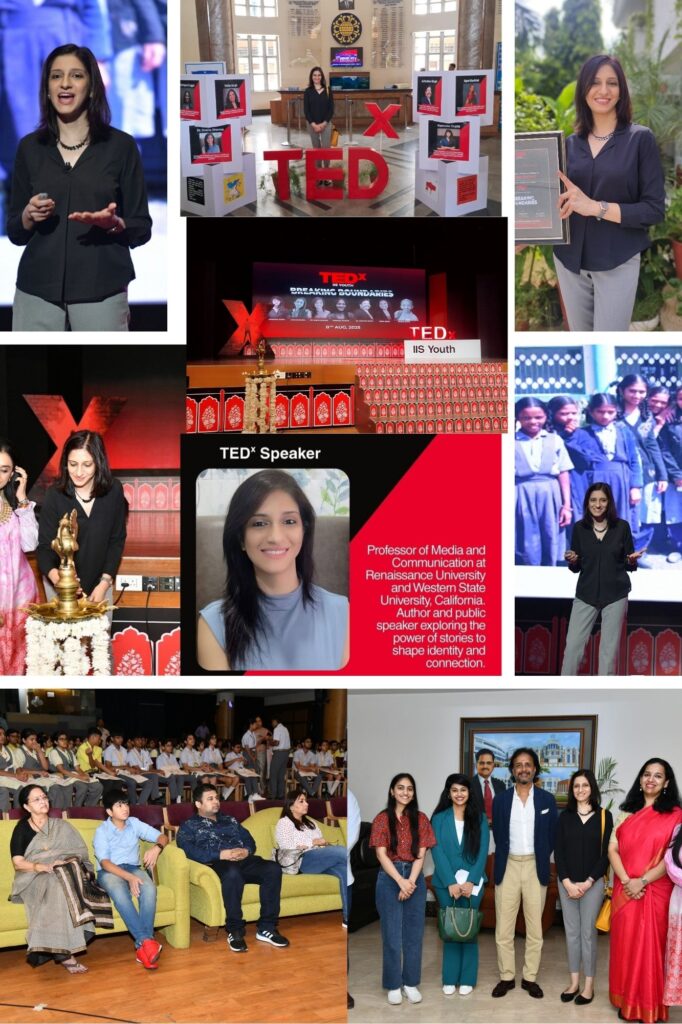
The official video isn’t out yet, but I’ll share it as soon as it’s released!